
Orange Cats
Orange cats, often referred to as “ginger” or “marmalade” cats, are beloved for their distinctive coat color and reputation for having a friendly personality. Their unique characteristics are a fascinating blend of genetics, social perception, and a few widely shared traits.
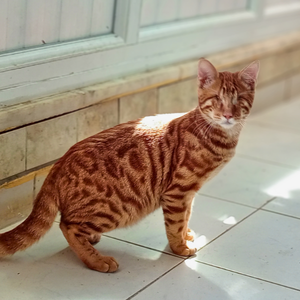
The Genetics of Orange Cats
The orange color in cats is determined by a specific gene called the “O” gene, which is located on the X chromosome. This genetic link explains one of the most well-known facts about orange cats: they are overwhelmingly male.
- Male Dominance: Approximately 80% of orange cats are male. This is because males have one X and one Y chromosome (XY). They only need one copy of the “O” gene on their single X chromosome to be orange.
- Female Rarity: Females, on the other hand, have two X chromosomes (XX). For a female to be a solid orange cat, she must inherit the “O” gene on both of her X chromosomes. If she inherits one “O” gene and one gene for a different color (like black), she will be a tortoiseshell or calico, with patches of both colors.
It’s also important to note that all orange cats are tabbies. The “agouti” gene, which is responsible for the tabby pattern, is dominant over the solid color gene. The gene that creates the orange pigment (pheomelanin) also interacts with the tabby gene, making it impossible for a cat to be a solid orange without any stripes or markings.
The “Orange Cat” Personality
While every cat has an individual personality, many owners and experts describe orange cats as being particularly affectionate, outgoing, and playful. This has led to the popular term “orange cat behavior” on social media.
- Friendly and Affectionate: Orange cats are often reported to be “people cats” who enjoy human companionship and seek out attention. They are known for being cuddly and may follow their owners around the house.
- Playful and Energetic: They often retain a kitten-like playfulness into adulthood and are known for their curious and sometimes mischievous nature.
- Social Butterflies: Many orange cats are seen as social and easygoing, often getting along well with other pets and new people, which makes them great additions to a multi-pet household.
However, some studies suggest that these perceived personality traits might be a result of confirmation bias or the fact that male cats are generally more friendly than female cats.